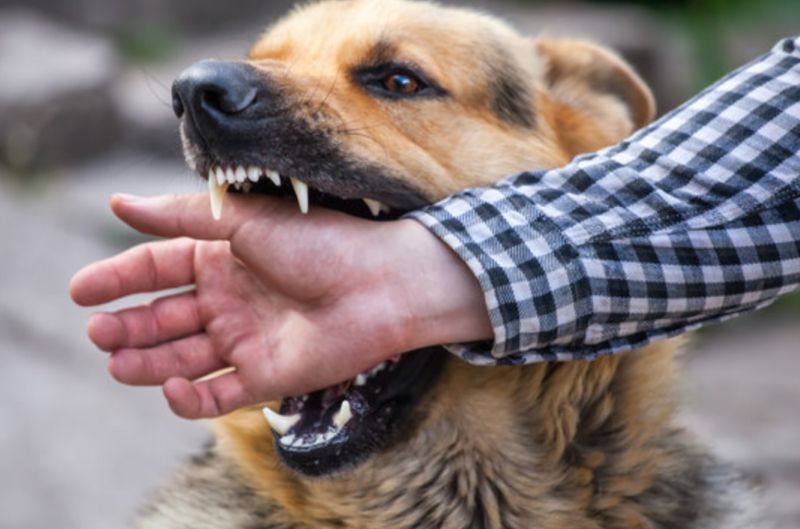
After a dog bite, victims often face urgent medical decisions, unanswered insurance questions, and pressure to explain what happened. Legal help can protect evidence, clarify deadlines, and identify who owes compensation for treatment, lost income, pain, and related losses. Early action also prevents mistakes, such as posting statements or accepting a quick settlement. The first steps after an attack shape the claim, so victims should proceed carefully and promptly.
Get Medical Care First
A victim should seek medical care promptly, even if the wound appears minor. Punctures, torn skin, nerve damage, infection, and emotional distress can require treatment beyond initial first aid. Medical records connect the injury to the attack and document treatment costs. For guidance about preserving legal rights, Murphy Trial Law can help a victim assess the incident, identify possible claims, and determine which records matter before speaking with insurers.
Follow treatment instructions and attend every scheduled appointment. Keep copies of bills, prescriptions, discharge papers, photographs, and written work restrictions. A missed appointment or unexplained gap in care gives an insurer grounds to argue that the injury was less serious than reported.
Preserve Evidence Immediately
Photographs should show the wounds, torn clothing, property damage, and location where the bite occurred. Take pictures during the first days after the attack, then document changes during healing. Written notes should record the date, time, location, weather, witnesses, and events immediately before the bite.
Record each witness’s name and contact information. Save text messages, emails, incident reports, animal-control communications, and social media posts related to the attack. Do not alter photographs or delete messages, even if they seem unfavorable.
Report the Attack
A victim should report the bite to the appropriate local agency or law-enforcement office. The report creates an official record and helps authorities address vaccination status, quarantine requirements, and public-safety concerns. The reporting agency can explain which documents it needs and how to request a copy.
A victim should provide accurate facts without guessing about disputed details. Statements should describe what happened, the injuries observed, and the care received. Speculation about fault, provocation, or the dog’s history can create confusion later.
Handle Insurance Contact Carefully
An insurer for the dog owner might request a recorded statement, medical authorization, photographs, or a settlement discussion. The victim should review those requests before responding. Broad medical releases can give an insurer access to records unrelated to the bite.
The first settlement proposal rarely reflects every documented loss. Medical bills, follow-up treatment, lost wages, transportation, scarring, and continuing symptoms require review. A signed release generally ends the claim for injuries covered by that agreement. Also, the dog bite could lead to various infections, and the following treatment may be quite expensive. It is important to record that information carefully for fair compensation.
Identify Recoverable Losses
Compensation depends on the facts, available coverage, applicable law, and documented harm. A claim can include reasonable medical expenses, future care, lost earnings, reduced work capacity, physical pain, and emotional distress. Property damage, such as damaged clothing, also belongs in the records.
Victims should track time missed from work and retain pay statements or employer records. A daily symptom journal can document pain, sleep disruption, anxiety, reduced activity, and treatment effects. Clear records connect those losses to the bite instead of leaving their value unsupported.
Check Deadlines and Liability
Every state sets deadlines for filing injury claims, and exceptions can affect the calculation. Missouri victims should obtain state-specific legal advice promptly rather than relying on general internet information. A claim involving a child, a government property owner, or a deceased dog owner can require different procedures.
Liability also depends on the circumstances surrounding the attack. Evidence about ownership, warnings, prior conduct, provocation, the victim’s location, and local rules can affect the case. An attorney can review those facts before the victim makes admissions or signs documents.
Decide When Legal Advice Fits
A consultation is useful when injuries require surgery, leave scars, affect work, or cause lasting symptoms. Legal guidance also helps when the dog owner disputes responsibility, an insurer delays payment, multiple parties are involved, or the victim is a child.
Victims should bring photographs, medical records, bills, wage information, incident reports, witness details, and insurer correspondence. An attorney can explain possible claims, evidence gaps, deadlines, and communication steps. Asking those questions early gives the victim a clearer plan for the next stage.
Conclusion
A dog-bite claim begins with medical care, accurate reporting, careful evidence preservation, and controlled communication with insurers. Victims should avoid signing releases or accepting payment before reviewing the full effect of their injuries and losses. Anyone facing disputed responsibility, lasting harm, or pressure from an insurer should gather the listed records and schedule a legal consultation promptly. That step can clarify deadlines and protect available choices before the claim becomes harder to pursue.