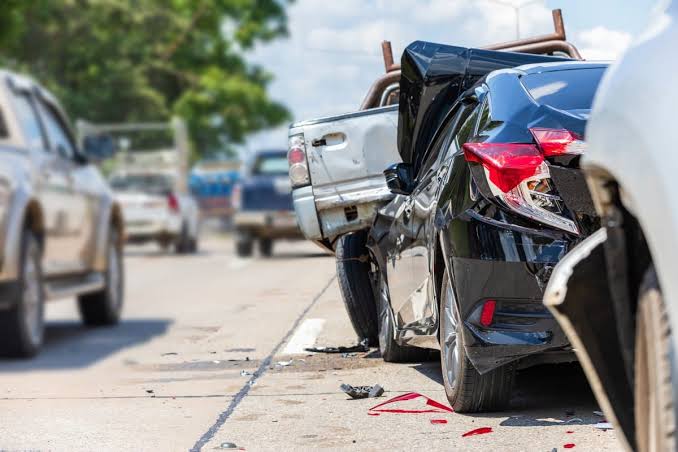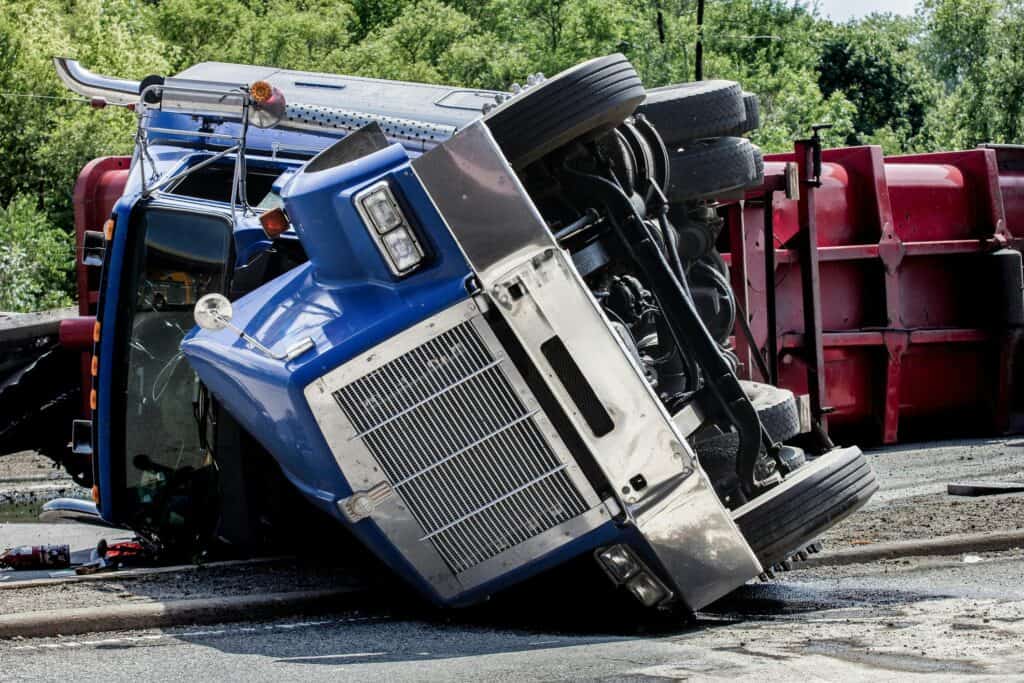
Tractor-trailer wrecks often cause severe injuries, disputed facts, and evidence that disappears quickly. A collision investigation must examine the driver, carrier, vehicle, roadway, loading process, maintenance, and dispatch records. Photos alone rarely explain why the crash happened or who failed to prevent it. Records, physical damage, and witness accounts create a clearer path toward accountability. Early legal action protects injured people and their families before critical evidence disappears after a collision.
Families facing a trucking collision need advice grounded in evidence, deadlines, and procedure. A lawyer can explain which records deserve immediate preservation, how medical documentation supports a claim, and whether another party shares responsibility. For information and local legal assistance, McWhirter, Bellinger & Associates is the right choice..
Why These Crashes Require Deeper Proof
Commercial trucks carry greater mass than passenger vehicles, so impacts often cause catastrophic injuries, even at moderate speeds. Investigators must assess braking distance, lane position, impact angles, visibility, and road conditions. A skid mark may show braking, but it does not establish who controlled the vehicle or whether a mechanical defect contributed. The analysis must connect physical evidence with statements, electronic records, and traffic rules applicable during the collision.
Evidence That Shapes the Case
Here are some key pieces of evidence that strengthen your case:
Scene Reconstruction
An investigator should photograph the scene before vehicles move, then inspect tire marks, debris fields, and roadway damage. The investigator should record weather, lighting, traffic controls, and sight lines. Nearby cameras, dash cams, or witnesses may reveal events that changed after the impact, so each source needs prompt follow-up. Physical evidence also includes underride damage, trailer defects, shifted cargo, and failed safety equipment. These details help test competing accounts of the collision.
Driver and Carrier Records
Driver records deserve close review. Investigators should examine hours-of-service logs, dispatch messages, inspection reports, training materials, drug and alcohol testing, and prior safety violations. A carrier may hold telematics data showing speed, braking, steering, and rest periods. Dispatch instructions can reveal pressure to meet an unrealistic schedule. Maintenance files can show recurring brake, tire, lighting, or steering problems. A missing record does not prove misconduct, but it supports a focused request for additional evidence.
Liability Can Involve Several Parties
Responsibility can extend beyond the person behind the wheel. A carrier can face liability when negligent hiring, training, supervision, scheduling, or maintenance contributed to a crash. A cargo loader may share responsibility when unsecured freight shifts during travel. A manufacturer or repair provider can face claims when a defective component causes a loss. Each theory requires proof tied to the collision rather than assumptions about the company involved.
Injuries and Financial Losses
Injury claims require medical proof connecting treatment to the collision. Emergency records, imaging reports, specialist opinions, and rehabilitation notes help establish the diagnosis and expected care. A damages review should address medical bills, lost income, reduced earning capacity, pain, and changes to daily activities. Family members should preserve wage records, receipts, appointment histories, and written accounts of new limitations affecting household duties and personal independence.
Protecting Evidence After a Wreck
Evidence disappears when vehicles are repaired, phones are replaced, or memories fade. After reporting the collision, injured people should preserve photographs, medical bills, employment records, and communications with insurers. They should avoid recorded statements before reviewing the facts with counsel. A lawyer can send preservation demands for camera footage, vehicle data, maintenance files, and dispatch records. Prompt action protects evidence that later supports or challenges liability. Each request should identify the item, date range, and person or entity controlling the relevant record or device.
Procedure Can Affect Recovery
Claims also require attention to filing deadlines, insurance coverage, and comparative fault rules. The applicable deadline depends on the claim and the parties involved, so injured people should not rely on a general calendar. Insurance adjusters may seek statements, releases, or quick settlements before the full medical picture develops. A settlement decision should follow documented losses and a clear assessment of fault, rather than pressure from an early offer.
Conclusion
People injured in tractor-trailer wrecks should act early, preserve every record, and seek a case review based on evidence. The next step is a written timeline covering the collision, symptoms, treatment, work absences, insurer contacts, and property damage. That timeline helps counsel identify missing proof and urgent deadlines. It also gives medical providers and investigators a consistent factual account. Prompt organization protects a claim while memories, vehicle data, and records remain available for review.