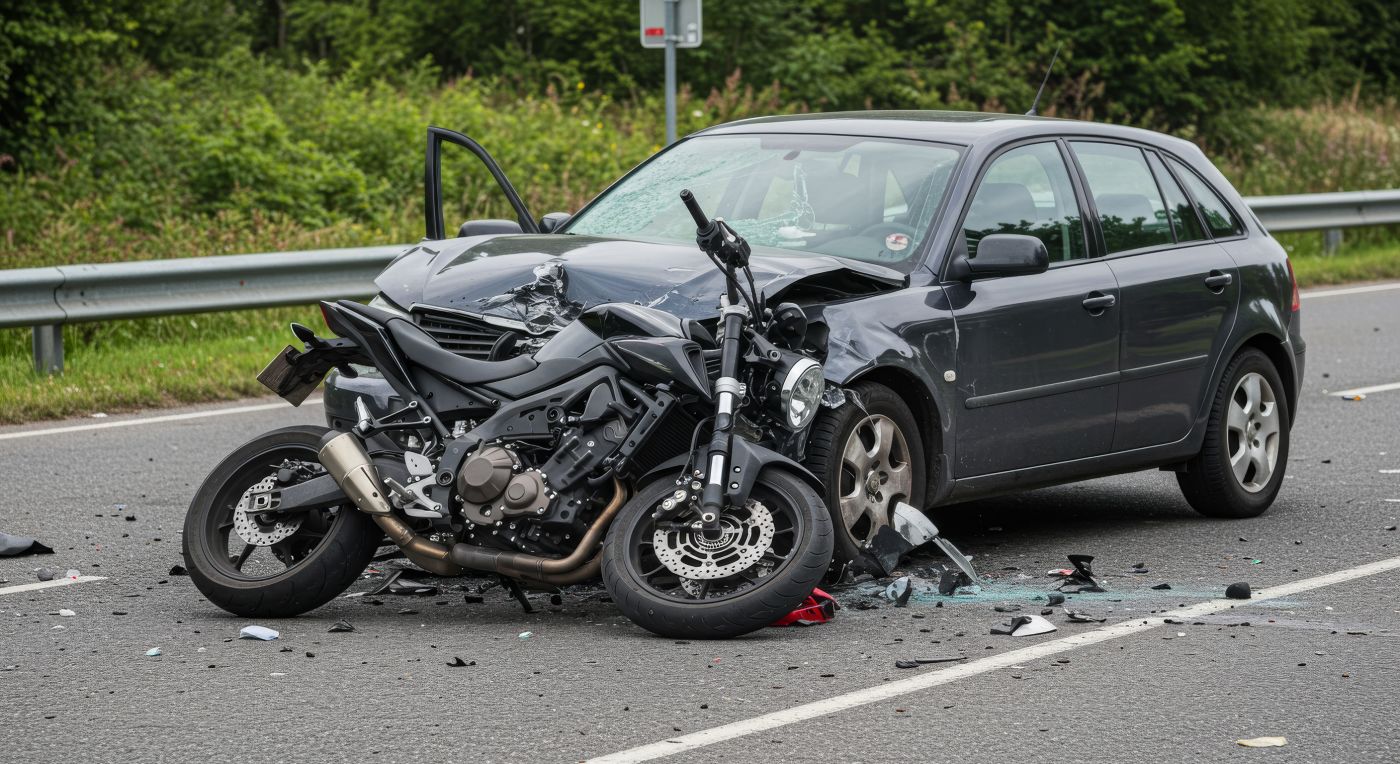
Motorcycle accident fault disputes often begin with conflicting accounts, unclear traffic movements, or claims that a rider caused the crash. Insurance companies then review evidence, assign percentages of blame, and decide whether to pay damages. State traffic laws, witness statements, medical records, and vehicle damage all influence this process. Riders who understand how fault is evaluated can protect their claims and respond to unfair accusations before negotiations or litigation begins. This post discusses motorcycle accident fault disputes in detail.
Why Fault Becomes Disputed
A driver might claim the motorcycle appeared suddenly, while the rider reports that the driver changed lanes without checking. Traffic signals, right-of-way rules, road conditions, and visibility often determine which account matches the evidence. A New York personal injury attorney can assess liability evidence, communicate with insurers, and protect the rider from statements that weaken the claim.
Legal guidance also helps organize records when the crash involves serious injuries, disputed traffic movements, or multiple vehicles. This review gives the claim a clearer factual foundation before negotiations begin.
The Role of Insurance Adjusters When Fault Is Disputed
Insurance adjusters examine whether either person (rider or driver) sped, followed too closely, failed to signal, or drove while distracted. A rider’s lack of protective clothing does not automatically establish crash fault, although it could affect arguments about the severity of the injury.
Evidence Used to Assign Responsibility
Photographs taken at the scene can show vehicle positions, skid marks, lane markings, road debris, and damaged property. Video footage from traffic cameras, nearby businesses, helmet cameras, or vehicle systems can clarify timing and movement.
The Role of Witnesses
Witnesses often provide useful details about speed, lane changes, turn signals, and traffic conditions. Their accounts become more reliable when collected promptly before memories change or witnesses become difficult to locate.
The Use of Police Reports
Police reports contain statements, diagrams, citations, and the officer’s initial observations. However, an officer’s conclusion does not always decide civil liability. Medical records connect injuries to the collision, while repair estimates and damage patterns help explain the force and direction of impact.
How Comparative Fault Affects Payment
Many states apply comparative fault rules, which reduce compensation according to the injured person’s assigned share of responsibility.
- Example: A rider found 20 percent responsible could receive a reduced award, depending on the applicable state law.
The decision depends on the jurisdiction. Some states allow recovery when the rider is assigned partial fault, while others restrict recovery after the person’s responsibility reaches a specific threshold. The governing law also depends on where the crash occurred and, in some cases, where the parties live.
Insurance companies use fault percentages during settlement talks. Their first assessment is negotiable, especially when the evidence leaves room for a different interpretation.
The Insurance Investigation
After a crash, the insurer reviews the accident report, photographs, witness accounts, medical documentation, and policy terms. Adjusters often ask for a recorded statement and access to medical records.
A rider should provide accurate facts without guessing about speed, distance, or the driver’s intentions. Speculation can create inconsistencies that insurers later use against the claim. The rider should also avoid signing a release before the full medical impact becomes clear.
The insurer might accept liability, deny the claim, or assign partial fault. Each position should be linked to identifiable evidence. A written denial that gives no meaningful explanation deserves a careful response supported by records and legal authority.
Settlement Negotiations
Settlement discussions usually begin with a demand that explains liability, injuries, treatment, lost income, property damage, and other documented losses. The demand should address the insurer’s likely arguments rather than ignore disputed facts.
Negotiations can resolve disagreements without court involvement. A revised offer becomes useful only when it reflects the evidence and covers reasonably documented damages. The injured rider should understand the release terms, payment timing, medical liens, and claims that will end after the settlement.
A settlement does not require both sides to agree about every fact. It requires an acceptable resolution based on the risks, costs, and likely outcome of continued litigation.
When a Lawsuit Becomes Necessary
A lawsuit becomes necessary when the insurer refuses fair payment, disputes liability without adequate support, or delays until legal deadlines create pressure. The complaint identifies the parties, explains the crash, outlines the legal claims, and requests damages.
During discovery, each side exchanges documents, answers written questions, and takes sworn testimony. Attorneys can obtain camera footage, vehicle data, employment records, medical opinions, and witness testimony through formal procedures.
Most personal injury cases settle before trial, but trial preparation improves the quality of negotiations. If the case proceeds, a judge or jury evaluates credibility, evidence, legal duties, and the rider’s claimed losses.
Steps That Protect a Motorcycle Accident Claim
The rider should seek medical care, follow treatment instructions, preserve damaged equipment, and photograph injuries as they change. A personal record of symptoms, missed work, appointments, and daily limitations can support the medical evidence.
The rider should report the crash, keep insurer communications organized, and avoid posting statements or photographs that contradict the claim. Prompt legal advice also helps preserve evidence and identify filing deadlines that may differ from one state to another.
Conclusion
Fault disputes become easier to resolve when each position rests on verified evidence rather than assumptions about motorcyclists or drivers. Scene photographs, video, witness accounts, medical records, and traffic laws create the foundation for negotiations. Riders should document the crash, complete recommended medical care, and review settlement papers before signing them. If liability remains contested, a prompt case assessment can identify the strongest evidence and protect the claim before deadlines expire.