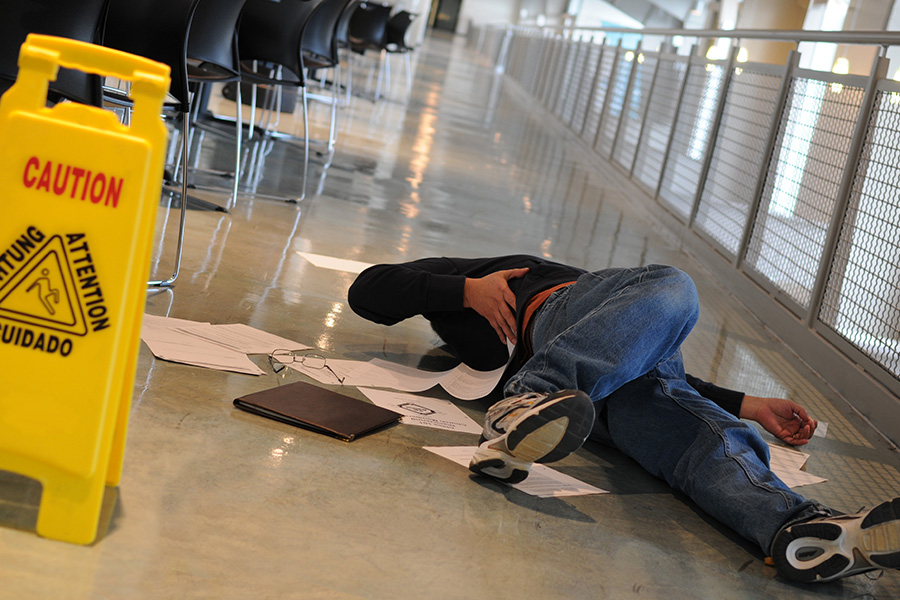
Colorado Springs, CO, has seen its share of serious accidents on roadways and city streets. In 2024 alone, the city recorded approximately thousands of traffic incidents, with around 50 lives lost across the region. Whether along sidewalks, in parks, on municipal plazas, or crossing busy intersections, the reality is that public spaces aren’t risk-free. When a slip, fall, collision, or other injury occurs on public property in Colorado Springs, the legal and procedural challenges are often more complex than you might expect.
If you’re injured on public property here in Colorado Springs, understanding your rights and what happens next is critical. A Colorado Springs personal injury lawyer can guide you through the nuances of claims against governmental bodies, strict notice requirements, liability limits, and defenses the city may raise. In a place where public access is part of daily life, injuries in parks, sidewalks, and transit zones demand a lawyer who knows the local terrain, legal environment, and what it takes to hold a public entity accountable. In this post, we discuss what happens after a person is injured on public property and outline the steps that person can take to seek compensation.
Understanding Public Property
Public property is land or buildings that the government owns. These include areas such as parks, sidewalks, public schools, and libraries. These areas need to be utilized and enjoyed, but they also require maintenance to ensure there are no safety issues. Injuries can occur, and liability questions arise.
Common Causes of Injuries
There are several different causes of accidents on public property. This includes hazards such as uneven sidewalks, wet floors, or poorly maintained playground equipment that may cause a fall or injury. This could also be a case of inadequate signage or insufficient lighting. Determining the cause of the collapse is necessary to identify who is liable.
Immediate Steps After an Injury
In the event of an injury, the first step is to have the injury assessed and treated. Nothing matters more than being safe and healthy. Afterward, you must document the incident. Capture images of the scene, comment on the circumstances, and gather the contact information of witnesses. This information can be crucial if you ever go to court.
Reporting the Incident
Once all immediate medical needs are met, the incident should be reported to the proper authorities. This could be a park manager, a school official, or a local government office. By making a formal report, the incident will be documented and formalized, specifically what happened. If you file a claim later, this documentation can be helpful.
Legal Considerations
Determining who is liable when an injury occurs is what makes liability a complex issue on public property. There are often laws established by governments that determine how claims can be made. Notice of claim filing typically has shorter time limits than those for private properties. Any potential plaintiff must understand these legal nuances before proceeding with litigation.
Proving Negligence
In a public property claim, showing negligence in a public setting is crucial. This means that you must prove that the entity was aware, or should have been aware, of the hazardous condition and did nothing to remedy the situation. Documents such as inspection records, maintenance logs, and witness statements can all be important in demonstrating negligence.
The Role of Insurance
The claims process for injuries sustained on public property is heavily reliant on insurance. Liability insurance carried by government agencies may cover such incidents. Learning about exactly how this insurance works and what it covers can help you better manage expectations and plan your next steps.
Consulting Legal Professionals
If you were hurt on public property, speaking with a lawyer may be a good idea. Attorneys can advise you on whether your case is strong, obtain proof, and assist you in moving through the legal system. They can also shed light on what laws are relevant to a claim for public property.
Compensation and Settlements
If injuries occur on public property, compensation can be obtained for various aspects, including medical expenses, lost wages, and even pain and suffering. Settlement talks may occur, and having legal representation can help secure a fair deal. What you may be compensated for is an essential part of any claim.
Preventive Measures and Safety
Knowing the difference between personal responsibility and public responsibility matters. When avoiding injury on public property, individuals must exercise a higher degree of care, such as being cautious of their surroundings and reporting potential hazards. Regular upkeep and prompt repair of citizen complaints are key strategies for public entities to mitigate risk.
Conclusion
Injuries on public property are different and come with their own special considerations. Knowing the actions to take, from seeking medical treatment to possibly considering the need for criminal charges, provides people with the tools to respond correctly in these situations. Knowledge of legal rights and obligations ensures injured parties can obtain justice and damages where appropriate. Safe environments are not only legally mandated for public entities but also a commitment to community well-being.