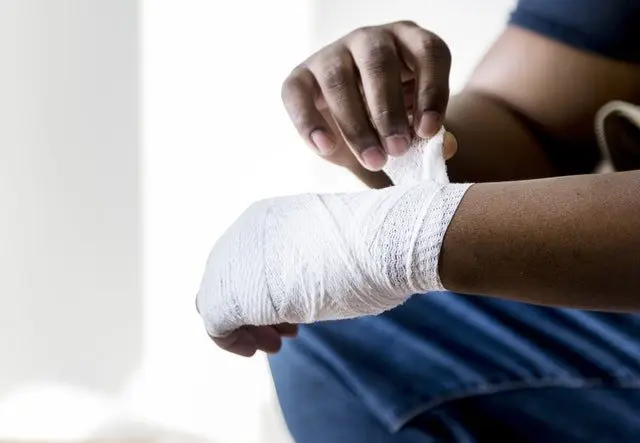
Motorcycle riders face danger because a bike provides little protection in a collision. A distracted driver, a road defect, or a sudden lane change can cause life-changing harm within seconds. Riders also face added legal and financial pressure when injuries prevent them from working. Knowing how evidence, insurance claims, and workplace benefits fit together gives an injured rider a clearer path after a crash.
People dealing with a workplace injury after a motorcycle crash often need legal guidance about deadlines and available claims. A consultation with established law firms like Diaz Law Firm personal injury lawyers can clarify how workplace benefits and a third-party claim may work together to provide compensation. Legal reviews also help identify missing evidence, disputed fault, and disagreements about medical care or lost income.
Work-Related Motorcycle Crashes Need Careful Review
Some riders use motorcycles for deliveries, transportation between job sites, or other work duties. A crash during work activity can raise questions about workers’ compensation, third-party liability, employment status, and insurance coverage.
A rider injured during work should report the incident through the required workplace process. Employers and insurers often need prompt notice before they evaluate medical treatment or wage loss benefits. The injured person should also keep copies of reports, medical bills, pay records, and every communication about the claim.
Workers’ compensation does not always replace every available source of recovery. If another driver caused the crash, a separate liability claim may cover losses that workers’ compensation does not. The facts depend on the accident, the rider’s work arrangement, and applicable state law.
Why Motorcycle Injuries Often Become Severe
A motorcycle lacks the protective structure found in a passenger vehicle. Even with a helmet and protective clothing, a rider can suffer broken bones, spinal damage, traumatic brain injuries, road rash, or internal bleeding.
Crash forces also create complicated injury patterns. A rider can strike another vehicle, hit the pavement, or collide with a fixed object after being thrown from the motorcycle. Medical records should document every injury, symptom, treatment recommendation, and expected recovery period.
Fault often depends on details that disappear quickly. Skid marks, vehicle damage, traffic signals, witness accounts, helmet condition, and roadway photographs can help establish what happened. Riders should seek medical care promptly and preserve photographs, repair records, insurance information, and clothing worn during the crash.
Insurance Issues Can Complicate Recovery
Insurance companies examine motorcycle claims closely because they often dispute fault, helmet use, visibility, speed, or road position. However, those issues do not establish negligence on their own. Liability depends on the evidence and the rules that apply in the accident location.
An injured rider should avoid giving a recorded statement before reviewing the circumstances. Insurers may use an incomplete description to question the injury or shift blame. A rider should provide accurate facts, avoid guesses, and keep communications focused on documented information.
Property damage also matters. A motorcycle’s repair estimate, storage charges, damaged equipment, and replacement transportation can support the financial claim. Riders should photograph the motorcycle before repairs and avoid authorizing disposal without preserving evidence.
Damages Extend Beyond Medical Bills
Medical expenses often include emergency treatment, surgery, physical therapy, prescription medication, and follow-up care. Serious injuries can require home assistance, mobility equipment, or continued treatment after an insurer closes its review.
Lost income requires separate documentation. Pay stubs, tax records, work schedules, benefit statements, and employer communications can show the financial effect of missed work. Self-employed riders may need contracts, invoices, and prior earnings records to support the claim.
A claim can also involve reduced future earning capacity and lasting physical limitations. Medical opinions help explain whether an injury affects lifting, standing, concentration, balance, or other work duties. Records should connect those limitations to specific job requirements.
Steps That Protect a Motorcycle Injury Claim
An injured rider should take several practical steps after receiving immediate medical attention:
- Report a work-related crash through the employer’s required channel.
- Photograph the scene, motorcycle, road conditions, injuries, and damaged gear.
- Collect contact information from witnesses and responding officers.
- Preserve helmets, clothing, motorcycle parts, and electronic records.
- Follow medical instructions and attend scheduled appointments.
- Avoid posting accident details or opinions about injury on social media.
- Track expenses, missed work, symptoms, and claim-related communications.
These actions create a consistent record. They also reduce disputes about the accident, the injury, and the financial losses that followed.
Conclusion
Motorcycle injury claims require more than a repair estimate and an initial insurance report. A rider should document the crash, promptly report work-related facts, follow medical care, and preserve proof of income and expenses. Legal review becomes especially useful when a workplace benefit, another driver’s negligence, or disputed insurance coverage affects recovery. Once medical needs are met, an injured rider should gather relevant records and seek legal advice before signing a settlement or accepting a final claim decision.