Tampa’s roadways see a constant mix of commuters, tourists, and year-round riders who rely on motorcycles for both convenience and freedom. With warm weather and open highways, riding is a common part of life here, but it also means motorcyclists face increased exposure to traffic hazards and inattentive drivers. When a crash happens, the aftermath can feel overwhelming, leaving riders unsure of how to protect themselves while dealing with injuries, damaged bikes, and mounting expenses.
In a city as active as Tampa, understanding how to protect your rights after a motorcycle crash becomes just as important as physical recovery. The decisions made in the hours and days following an accident can directly affect your ability to secure fair compensation and hold the responsible party accountable. Having knowledgeable legal guidance can bring clarity during this stressful time. With support from Brooks Law Group, injured riders can focus on healing while their rights and future are carefully safeguarded.
Prioritize Safety and Well-being
Following an accident, the most significant concern is safety. If possible, move away from traffic and assess the situation to determine the extent of injuries. Even smaller injuries can develop into something serious very quickly if left unattended. Prompt treatment, even for mild symptoms, prevents complications and forms a well-demarcated medical history. This is the documentation that supports any future claims.
Contact Emergency Services Quickly
Just after the motorcycle crash, dial 911. A police officer will write a report about what happened based on statements given by everyone involved. Emergency responders also take on providing any needed medical aid and help with traffic directing as necessary if the area is deemed a risk. It could help bolster any future claim about what went down.
Gather and Preserve Evidence
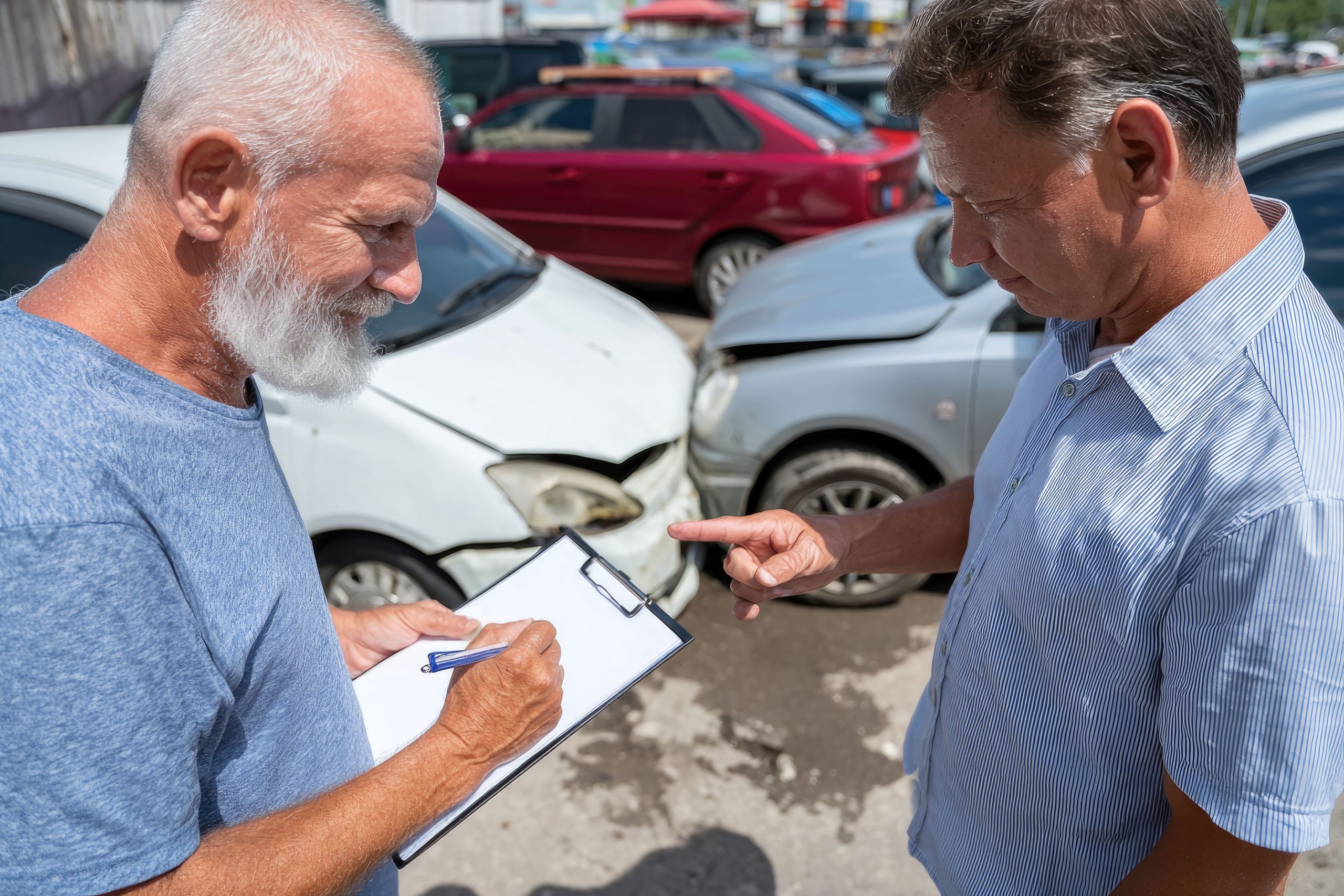
Evidence at the scene to back up your account of how the accident happened. Photograph the scene, including vehicle location, road conditions, and any visible injuries. Exchange information with the other parties, such as names, addresses, and insurance information. Furthermore, if possible, gather names and contact information for witnesses, which may be useful down the line, too. Gathering evidence meticulously in writing could become crucial when people begin to question the events.
Do Not Accept Responsibility or Make Statements
In the minutes right after, emotions are raw, and confusion is rampant. Do not make any statement that could be construed as an admission of liability. Instead, when talking to an officer or anybody else, only stick to the facts about what happened. Even polite apologies may be interpreted as taking responsibility. The authorities acted based on evidence and eyewitnesses.
Notify Your Insurance Provider Promptly
It is important to report the accident to your insurance carrier as soon as you can. Remain grounded in the facts, without speculating on the cause or assigning blame. The insurer will start looking into things, and you’ll get to know what your coverage looks like. With fewer discrepancies between your statements and the police report, there is less risk of disputes occurring.
Get Checked out and Follow-up Care
Even if those injuries might not appear to be severe, help is integral. Sometimes the symptoms can show up hours or days after the crash. Adhere to all the recommendations given by health professionals, whether they are follow-ups or rehabilitation. Keep all medical records, prescriptions, and bills; they will prove injuries and their costs.
Consult Legal Assistance if Needed
It can be difficult to make sense of what legal rights you do have after a motorcycle crash. Although seeing a professional who handles personal injury claims is advisable, these claims can become complicated when multiple issues or significant losses are involved. An attorney can help you understand your rights, handle communications with insurance adjusters, and fight for you in negotiations or in court. Getting in touch with them soon is a great way to ensure a better outcome.
Avoiding timelines and deadlines
Accident reporting and providing for a claim are subject to time limits that differ by location and policy terms. And failing to meet these deadlines could mean losing your right to a recovery. Keep track of significant dates like the accident date and the dates you submit reports so that you do not miss any deadlines and requirements.
Protect Communication and Privacy
Following a motorcycle crash, you may receive communication regarding claims and statements from the insurance companies and other parties involved. Watch what you share, especially on social media. A court of law may use your words in public posts and casual conversations against you. For questions, consult your lawyer or insurance company, and don’t talk about the accident with others.
Conclusion
Dealing with a motorcycle accident is overwhelming, but knowing the right steps to take can protect your rights and aid your recovery. It is crucial to prioritize safety, preserve evidence, seek medical attention, and consult with professionals. Having prepared and maintained records enables individuals to potentially receive their rightful compensation following a motorcycle accident.