A major crash creates more than immediate medical bills. It can produce disputed fault, missing evidence, interrupted work, and treatment needs that remain unclear for months. High-profile injury firms handle these cases with early investigation, disciplined recordkeeping, and a clear analysis of damages. Their value appears when an insurer questions causation or offers money before recovery is known. The work begins at the scene and continues through settlement or litigation, as the next steps show.
People seeking counsel after a serious collision need a firm that can test the record, not merely repeat an insurer’s version. Lerner & Rowe Law Firm attorneys organize medical evidence, wage documentation, and fault questions before starting negotiations to narrow the claim. That preparation gives an injured person a clearer basis for decisions about treatment, deadlines, and settlement discussions.
Early Investigation Protects the Claim
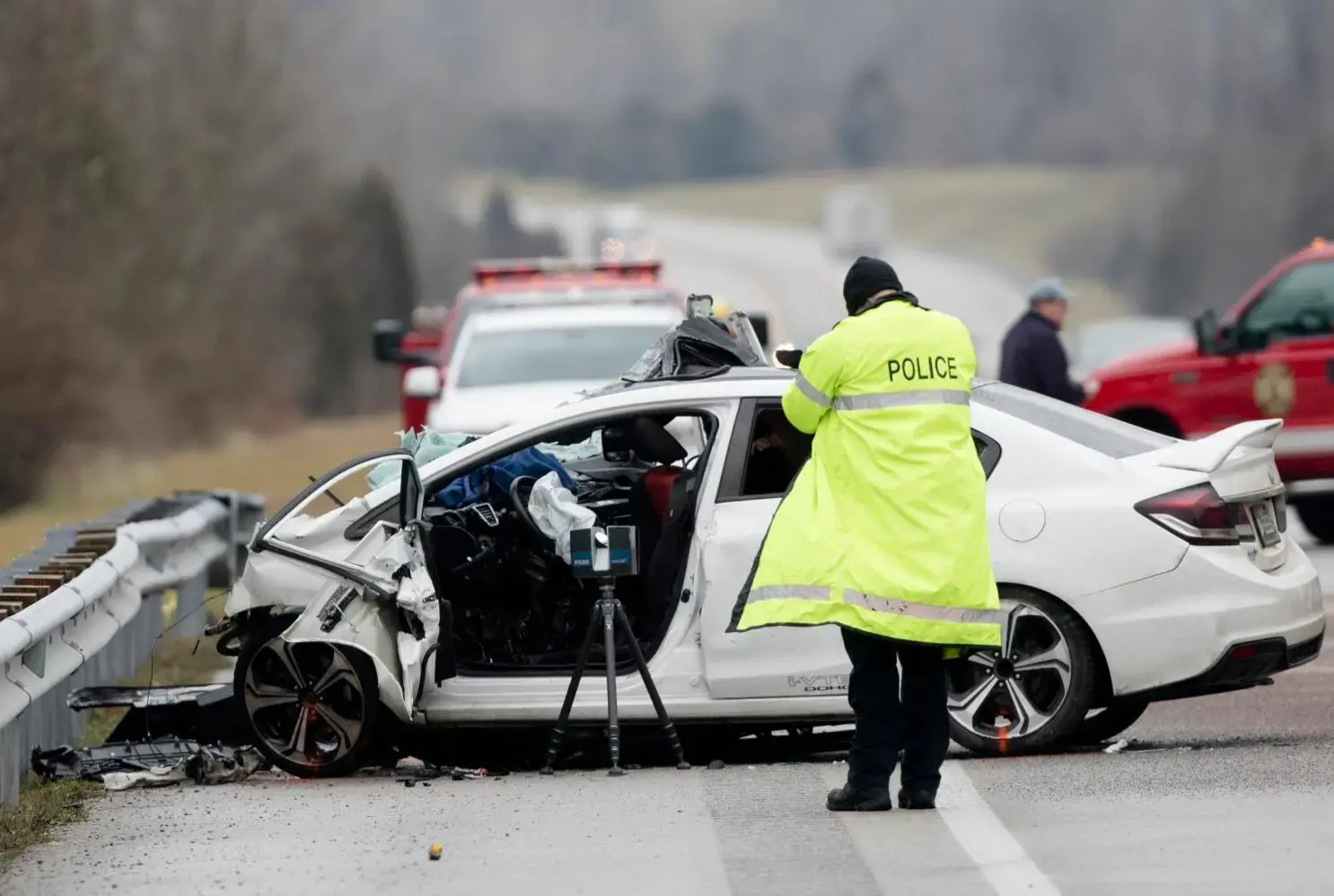
Evidence disappears quickly after a collision. Damaged vehicles undergo repairs, nearby surveillance footage gets overwritten, and witnesses forget timing or vehicle positions. A capable injury firm sends investigators to document the scene, photograph damage, locate witnesses, and preserve available records. The investigation can also identify insurance policies, vehicle owners, employers, and other parties connected to the crash. This early work matters because an insurer often reviews the claim through its own records. A complete case file gives counsel facts to compare against the adjuster’s account.
Insurance Communications Require Control
An insurance adjuster represents the insurer’s financial interests. The adjuster may request a recorded statement, broad medical authorization, or details about prior injuries. Those requests require careful review. An incomplete answer can become part of the claim record and create questions about causation, treatment, or credibility. Counsel handles communications and provides relevant documents without surrendering unnecessary information. A settlement offer also requires timing. Accepting payment before doctors understand the likely recovery can leave future treatment bills unpaid. A lawyer compares the offer with medical evidence, wage loss, expenses, and the expected course of care.
Serious Injuries Need Documented Losses
A major crash claim often includes more than an emergency-room bill. Treatment can involve follow-up visits, imaging, medication, physical therapy, surgery, or long-term care. Medical records should connect each service to the collision and describe restrictions affecting daily activities. Consistent appointments also create a clearer record of symptoms, progress, and continuing needs. Income loss requires separate proof. Pay stubs, employer records, tax documents, and information on missed work support a claim for lost wages. If an injury affects future employment, job duties, physical restrictions, and expected recovery become relevant.
Fault Disputes Demand Deeper Review
A collision can involve more than one responsible party. Drivers, commercial operators, vehicle owners, manufacturers, and other entities may require separate investigation. Counsel examines cellphone records, maintenance documents, employment records, roadway information, and vehicle damage. The evidence can show whether a driver violated a traffic rule or another party failed to take reasonable care. Comparative fault rules also matter. An insurer may blame the injured person to reduce payment. A focused investigation tests that allegation against the full collision record instead of accepting it as fact.
Deadlines and Settlement Terms Affect Recovery
Each state sets deadlines for injury lawsuits, and special rules can apply to minors or claims involving government entities. Insurance discussions do not always extend those deadlines. An experienced lawyer identifies the applicable filing date and tracks required notices. Waiting until treatment ends can create a problem if the deadline passes first. Before signing a settlement, an injured person should understand the payment amount, medical balances, liens, legal fees, and future treatment needs. A signed agreement usually ends the covered claim, even when later expenses prove higher.
Practical Steps After a Crash
Medical care comes first. Injured people should attend recommended appointments, preserve bills and prescriptions, save wage records, and keep photographs of injuries and property damage. They should avoid posting crash details or injury updates on social media. They also should avoid recorded statements and broad releases until a lawyer explains the consequences. A prompt consultation gives counsel time to preserve evidence, identify responsible parties, and assess deadlines. It also prevents an insurer from shaping the entire record before the injured person understands the claim.
Conclusion
A high-profile injury firm wins difficult cases through disciplined preparation, not dramatic promises. The practical next step is to preserve every record, follow medical instructions, and schedule a legal consultation before giving a recorded statement or signing a release. Bring medical bills, wage documents, photographs, insurance correspondence, and crash information to that meeting. Those materials help counsel identify missing evidence, assess responsibility, and determine whether a proposed settlement reflects the losses documented so far.