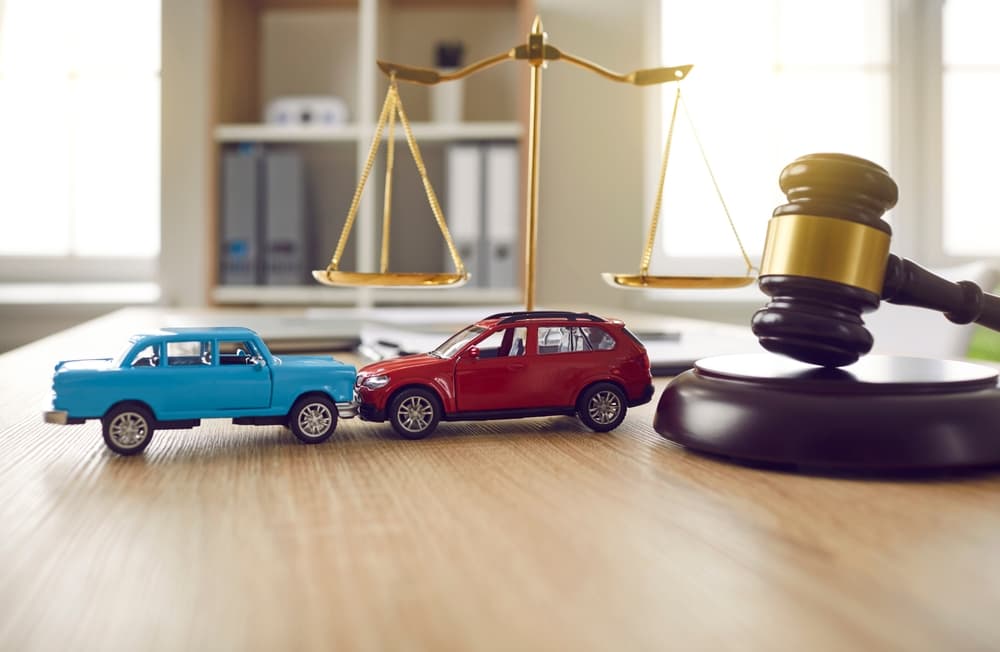
Auto accident claims can resemble other injury lawsuits on the surface, yet courtroom treatment often shifts once the facts are tested. A crash file usually arrives with police findings, vehicle photographs, roadway measurements, and insurance correspondence already in motion. Premises claims, dog bites, and unsafe product suits often develop through a slower record trail. That difference affects proof, timing, damages, and how judges assess fault before trial.
Fault Starts Early
In vehicle litigation, liability often begins taking shape within hours of impact. Police notes, witness accounts, intersection footage, and repair patterns can influence the case long before depositions start. For that reason, personal injury attorneys in South Carolina often study skid marks, signal cycles, phone activity, and lane placement early, because those details may frame responsibility before either side fully exchanges evidence.
Evidence Comes Faster
Crash cases usually produce concrete records almost at once. Tow receipts, ambulance notes, event data downloads, body shop images, and citations may appear the same day. A fall claim can look very different because a spill gets cleaned, ice melts, or poor lighting changes. Courts recognize that contrast. Preservation disputes often surface sooner in auto litigation than in many other bodily harm actions.
Insurance Shapes Strategy
Insurance plays a larger role at the front end of most crash disputes. Coverage limits, exclusion language, stacked benefits, and uninsured motorist questions may shape filing strategy before a complaint reaches the clerk. Other injury matters can involve homeowner policies or corporate coverage, though that review often feels less immediate. Judges in car cases regularly see early motions tied to policy scope, settlement control, and carrier obligations.
Injuries Look Different
Vehicle trauma often produces neck strain, lumbar pain, headaches, symptoms of concussion, and shoulder restriction after sudden force. Some conditions appear mild at first, then worsen as inflammation rises over several days. Defense counsel may point to modest car damage and argue that the body could not have absorbed a major impact. Jurors often expect careful treatment records, imaging studies, and clear functional limits in response.
Damage Math Changes
Auto claims often leave a clear economic trail that jurors can easily follow. Medical charges, lost wages, repair bills, rental costs, and diminished value create a ledger before pain damages are discussed. Many other injury suits lack that property component, which can make losses feel less concrete. Court presentations in crash cases become more numerical, and verdict discussions may center on receipts, invoices, and work records.
Courtroom Themes Differ
Jurors bring personal driving habits into car crash trials, and that lived experience matters. Most people have judged the distance to the following vehicle, misread another driver, or encountered sudden braking in traffic. Familiarity can cut both ways. A plaintiff may gain credibility through shared experience, while a defense lawyer may frame the event as a routine mistake. Less familiar injury suits often depend more heavily on experts to teach the basics.
Multiple Defendants Appear
Some vehicle cases begin with one careless driver, then widen as fresh evidence surfaces. An employer may face exposure if a worker was driving on company business. A restaurant or bar could enter the suit after alcohol service records are examined. A manufacturer might be added if restraints or airbags failed. Other injury matters can expand too, though car litigation often changes shape more quickly after the initial filing.
Settlement Pressure Is Unique
Settlement pressure in auto litigation often arises earlier because insurers closely track values and compare files against prior verdict data. Adjusters carefully review treatment length, work loss, vehicle damage, imaging, and prior medical history. Premises or product defendants may take longer while internal review continues. Early pressure can narrow the dispute, though it may also sharpen arguments about causation, necessity, and symptom duration.
Timing Rules Matter
Every injury case has filing deadlines, yet auto claims carry a harsher practical clock. Video footage may vanish within days, damaged vehicles may be repaired, and witness memories may lose detail quickly. Gaps in medical care can also give the defense useful arguments on credibility and cause. Other cases face similar risks, though roadside evidence often fades more quickly, making prompt action especially important in collision litigation.
Conclusion
Auto accident claims differ from other injury cases because the proof usually begins at the scene, insurance enters early, and jurors draw on personal driving experience. Those features shape how courts examine fault, damages, and credibility from the start. A crash lawsuit still shares core injury principles with other civil actions, yet its evidence pattern remains distinct. That difference often changes legal strategy well before a case reaches trial.