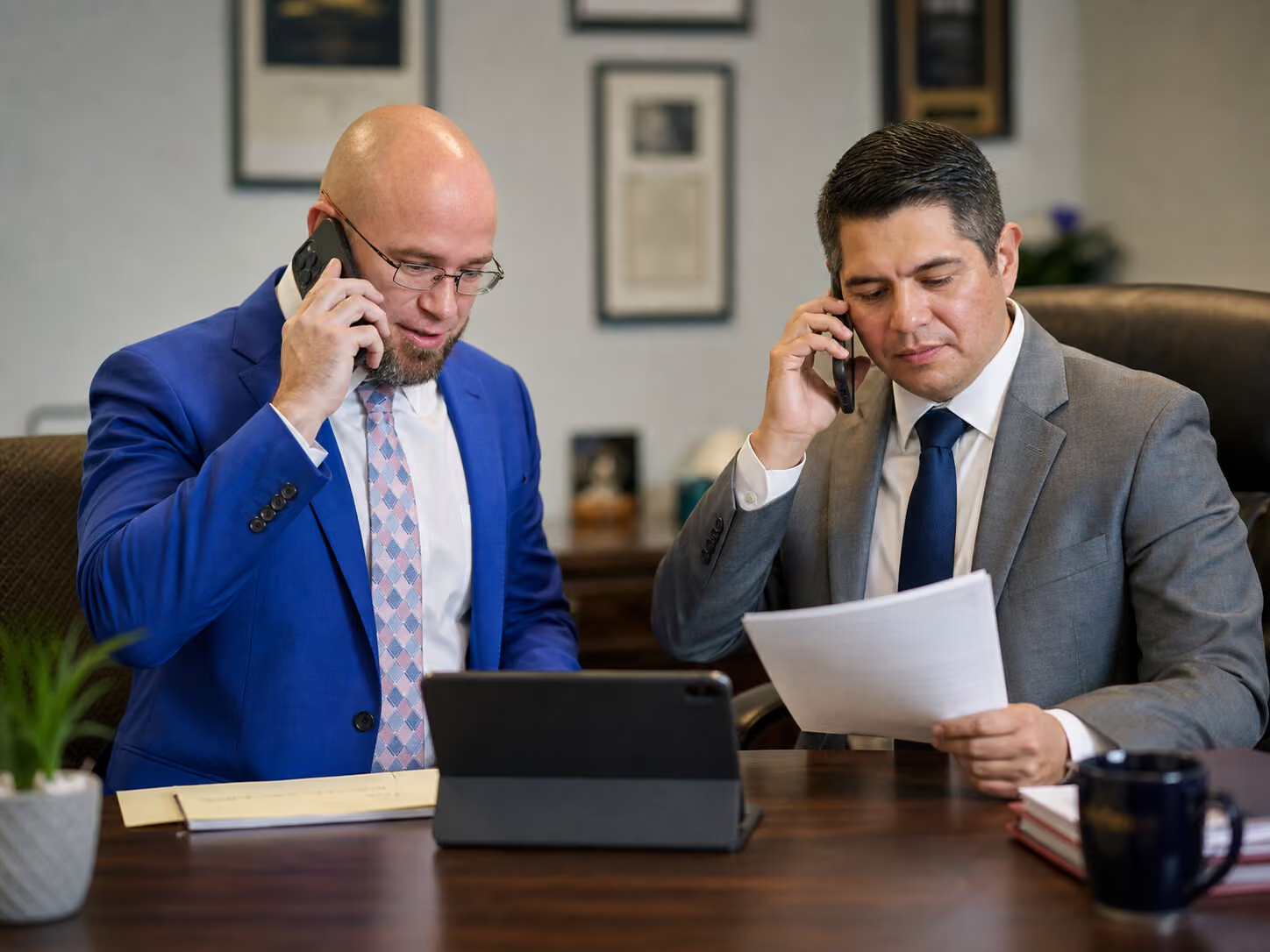
A workplace injury can disrupt income, medical care, and a worker’s sense of security. Language barriers make legal rights harder to protect when they affect medical records, employer notices, or insurance communications. A bilingual legal team bridges those gaps while building a clear case around the injury, available benefits, and disputed decisions. Workers who understand each step can respond promptly and preserve useful evidence. The next step is examining how bilingual representation can strengthen an injury claim.
Clear Communication Protects the Claim
An injured worker needs accurate information about deadlines, medical treatment, wage benefits, and disputes involving an employer or insurer. Misreading a notice can affect a claim response or delay action on a disputed benefit. Legal terms create another barrier when a worker is more comfortable communicating in Spanish.
Workers who need legal guidance in Spanish need counsel who communicates directly in Spanish and clearly explains each legal step. The Spanish-speaking attorneys at Centro Legal Hispano can help workers whose first language is Spanish discuss an injury, review documents, and follow legal procedures without relying on informal translation. Direct communication also helps workers describe symptoms, job duties, and claim concerns accurately during consultations, statements, and case reviews.
Building a Complete Record
A workers’ compensation case depends on specific facts. The record can include the accident date and location, medical findings, treatment records, work restrictions, and wage information. Employer communications and statements about how the injury occurred can also become relevant evidence.
A bilingual legal team can organize those details and check that the worker’s account stays consistent across forms and conversations. Clear communication also helps identify missing records, unanswered notices, or descriptions that do not match the actual injury.
Workers’ compensation guidance states that an injured worker should report an injury to the employer immediately. Written notice should identify the date, time, and place of injury, the nature of the injury, and the worker’s name and address.
Protecting Medical Treatment and Benefits
Medical care is often the first concern after a workplace injury. Missouri states that the employer or insurer is responsible for authorized medical treatment and care for a compensable injury. That care must address treatment needed to cure and relieve the injury’s effects.
A workplace injury can also reduce earnings. Workers’ compensation can include temporary total disability, temporary partial disability, or permanent disability benefits, depending on medical restrictions and other circumstances.
Legal representation connects medical evidence to the benefits being claimed. A lawyer can review work restrictions, treatment records, payment history, and insurer decisions to identify disagreements that require action.
Handling Disputed Decisions
Claims become harder to resolve when an insurer disputes the injury, questions medical treatment, delays payments, or denies benefits. The worker then needs a clear record showing what happened and which benefits remain contested.
Missouri provides a process for filing a Claim for Compensation when an injured worker has not received benefits properly. Filing a claim begins a contested case proceeding. An administrative law judge can then decide disputed issues.
A bilingual legal team can help the worker understand the dispute before filing documents or attending hearings. The worker must understand statements, evidence, proposed agreements, and decisions that affect the claim.
Keeping the Worker Informed
Legal representation involves more than preparing documents. It gives an injured worker a clearer way to follow communications from an employer, insurer, medical provider, or workers’ compensation official.
For Spanish-speaking workers, direct communication reduces errors caused by misunderstood instructions or unfamiliar legal vocabulary. It also gives the worker a practical way to explain symptoms, job duties, treatment history, and changes in work capacity more precisely.
That communication becomes especially important when medical findings and employment records appear inconsistent. The attorney needs accurate information to determine which facts require clarification or supporting documentation.
Conclusion
An injured worker should treat communication as part of protecting a claim. Prompt reporting, organized medical records, accurate wage information, and careful review of insurer decisions create a clearer record. Bilingual representation provides direct language access when a worker prefers Spanish for legal discussions and document review. A practical next step is to preserve every injury-related record and seek legal guidance promptly, especially before signing documents that affect benefits, treatment, or future rights.