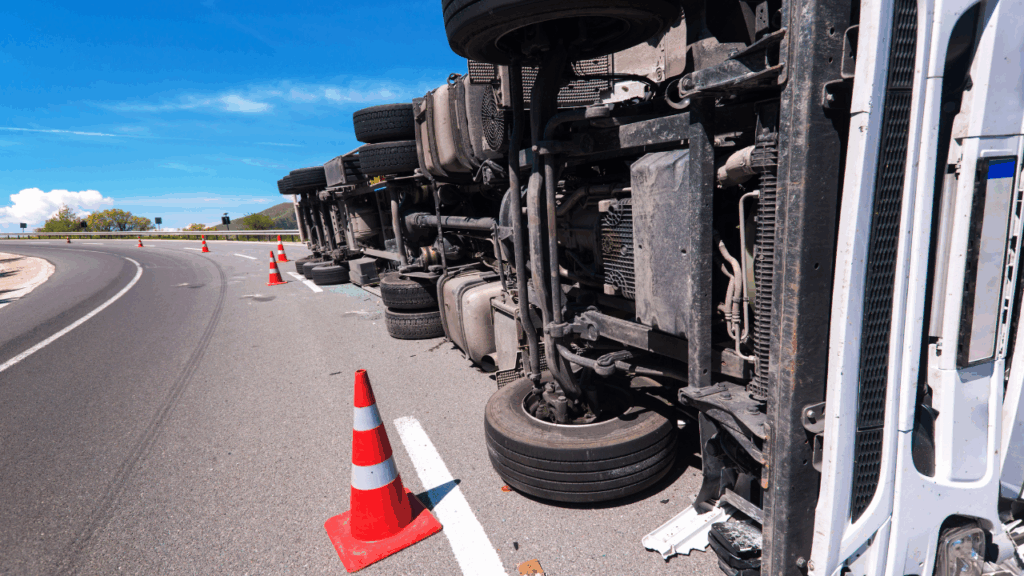
A truck crash can result from driver conduct, equipment failures, cargo problems, road conditions, or employer decisions. An attorney reviews these issues before deciding whether a legal claim can be filed based on the available evidence. The investigation also identifies who could bear responsibility and which evidence needs prompt preservation. Trucks are often repaired, records can change, and witnesses become harder to reach after a crash. That’s why the first step after an accident is to reconstruct the collision and build a reliable factual record. Let’s discuss this in detail.
Starting the Investigation
The review connects available evidence to the people and companies involved, including the driver, carrier, and vehicle owner. A Rutherfordton truck accident lawyer can assess evidence tied to a commercial driver or trucking company and determine which facts support a potential claim. The review also includes records related to the collision and helps identify other parties whose conduct may require further examination.
Reconstructing the Collision
Investigators first determine how the crash occurred. They review the police report, photographs, witness statements, traffic signals, roadway design, and available video footage.
Vehicle damage provides evidence about impact direction, contact points, and the sequence of events. An accident reconstruction specialist can examine these details when the parties dispute how the collision occurred.
Physical evidence also matters in truck accident cases. Skid marks, debris locations, vehicle positions, and road conditions can support or challenge statements from drivers and witnesses.
Examining the Driver and Truck
Legal teams closely examine driver conduct because fatigue, distraction, impairment, training, and unsafe maneuvers can affect liability. An attorney reviews the driver’s qualification records, employment history, and documents connected to the trip.
The truck requires a separate inspection. Investigators check the brakes, tires, steering components, lights, safety equipment, and cargo for defects or maintenance problems.
Reviewing Electronic and Company Records
Commercial trucks can generate electronic data that helps establish timing, vehicle activity, and driver actions. Attorneys seek available event data, electronic logging information, dispatch records, onboard camera footage, and trip-related communications.
Company records can reveal hiring decisions, training history, maintenance practices, scheduling practices, and prior safety concerns. Preservation requests help keep records available during active investigation.
Investigators also compare records from different sources. A log entry, dispatch record, video clip, or maintenance document can confirm or contradict another piece of evidence.
Identifying Responsible Parties
A truck collision does not always involve one legally responsible person. Depending on the evidence, responsibility may rest with the driver, employer, vehicle owner, maintenance provider, cargo-related party, or another entity.
The attorney compares each party’s conduct with the facts and applicable law. This review helps determine whether the lawsuit should name every party whose conduct contributed to the collision.
At this stage, lawyers also gather information about the insurance an injured person can access. Attorneys identify available policies and review coverage documents so the filing reflects the parties and claims supported by the evidence.
Documenting Injuries and Financial Losses
Medical records establish the injuries, treatment received, and expected future care. Attorneys also collect medical bills, wage records, employment information, and documentation of other financial losses.
Non-economic damages require factual support. Records describing pain, physical limitations, treatment effects, and changes in daily activities help document the impact of the person’s injuries.
The timing of medical care also matters to the factual record. Treatment records help link reported injuries to the collision and provide a timeline that attorneys can compare with other evidence.
Preserving Evidence Before Filing
Evidence preservation requires early action. A damaged truck can be repaired, surveillance footage can be deleted, and electronic records can become harder to obtain.
Attorneys send preservation notices, arrange vehicle inspections, collect photographs, and identify witnesses before filing when circumstances require these steps. These actions protect evidence that can support the allegations in a complaint.
The investigation also tracks missing or disputed records. Documenting what exists, what was requested, and what remains unavailable gives counsel a clearer basis for deciding whether to file.
Conclusion
A truck accident investigation should establish what happened, who contributed to it, and what losses the injured person sustained. Attorneys examine crash evidence, driver records, truck condition, company documents, electronic data, and medical information before filing.
As an important next step after the accident, the injured person should preserve photographs, contact details, medical records, and accident documents without altering them. Providing these materials promptly gives counsel a solid factual record for evaluating liability, damages, and the proper parties.