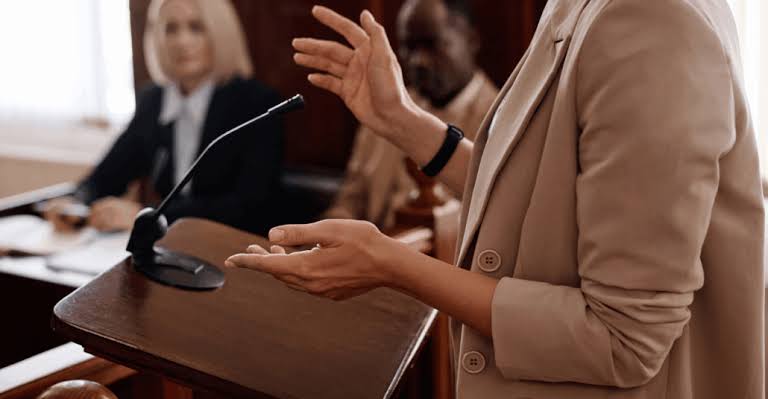
When drivers describe the same collision differently, investigators need reliable evidence to separate memory from fact. Witness statements provide independent accounts of traffic signals, vehicle positions, speed, and driver actions before impact. Their observations often clarify disputes that photographs or vehicle damage alone cannot resolve. A statement collected soon after the crash also preserves details before memory fades. The process begins by identifying useful witnesses and recording what they observed at the scene.
Why Witness Accounts Matter
A witness who saw a signal change or observed vehicles approach can clarify the sequence of the collision. An independent observer often provides a more neutral account than a passenger with a personal interest in the outcome. A Siegfried & Jensen car accident lawyer can organize those statements with scene photographs, police records, and insurance correspondence. That review tests whether each account matches the available physical evidence and collision timeline.
A witness does not need to recall every detail to provide useful information. The person might confirm a vehicle’s lane, describe a sudden turn, or explain where each car stopped. Small observations can answer larger questions about right of way, following distance, and the point of impact.
What Makes A Statement Useful
The most useful statement separates direct observation from assumption. A witness should describe what was seen, heard, or experienced without guessing about a driver’s intent. “The pickup entered the intersection after the signal turned red” is more useful than “The driver seemed careless.”
Timing also matters. A statement recorded soon after the accident usually contains clearer details than one prepared weeks later. Investigators should record the witness’s location, viewing angle, distance from the collision, lighting, weather, and any obstruction.
The witness’s relationship to the drivers also requires attention. An independent pedestrian or passing motorist usually has fewer personal interests than a friend, relative, or passenger. That difference does not decide credibility by itself, but it provides useful context.
Questions Witnesses Should Address
A focused interview helps prevent vague or incomplete statements. Questions should cover:
- Where was the witness standing or driving?
- Which vehicles were visible before the collision?
- What did the traffic signals, signs, or lane markings show?
- Did either driver slow, stop, turn, or change lanes?
- What happened immediately before and after impact?
- Did the witness speak with a driver, passenger, or police officer?
The interviewer should avoid leading questions. Asking, “Did the driver run the red light?” suggests an answer. Asking, “What did the traffic signal show?” allows the witness to describe the observation independently.
A written statement should include the witness’s name, contact information, date, and location. It should also use the witness’s own words. Before signing, the witness should review the statement and correct any inaccurate details.
Comparing Statements With Physical Evidence
Witness accounts become more persuasive when they match objective evidence. Investigators compare statements with skid marks, vehicle damage, debris locations, traffic-camera footage, photographs, and vehicle event data. These sources can confirm or challenge a person’s estimate of speed, direction, or timing.
Conflicts do not always mean that one person is lying. A witness near the corner might see the signal clearly but miss a vehicle approaching from the side. Another person might see the approach but lose sight of the signal. Different viewpoints create different memories, so each account requires careful comparison.
A review should also identify details that remain consistent across accounts. Agreement about vehicle position, impact location, or braking sounds can support a collision reconstruction, even when witnesses disagree about speed.
Preserving Contact And Context
Collect witness information before people leave the scene, if injuries and safety conditions allow. A name and phone number provide a starting point, but investigators should also record where the witness stood and what the person observed.
Businesses, nearby residents, and passing drivers sometimes possess recordings that disappear through automatic deletion. Witnesses should preserve their original videos, photographs, text messages, and notes. Altering or cropping files can raise questions about authenticity.
Anyone involved should avoid coaching witnesses or asking them to change their wording. A reliable statement depends on independent memory. Pressure can damage credibility and create further disputes during an insurance claim or lawsuit.
Conclusion
Witness statements help resolve conflicting accident accounts by preserving firsthand observations and testing them against physical evidence. Their value depends on timing, accuracy, perspective, and proper documentation. Anyone involved in a collision should collect contact details, record the scene, and avoid suggesting answers during interviews. A legal review can compare each account with photographs, reports, vehicle data, and insurance records before an important statement becomes unavailable.