A strong court claim after a collision starts with disciplined proof. The record must show how the other motorist acted carelessly, how that conduct caused impact, and how injuries changed daily life. Judges and juries respond to clear timelines, medical findings, photographs, neutral witnesses, and careful damage records. Good preparation also prevents insurers from recasting serious symptoms as routine soreness.
Early Legal Review
Soon after a serious wreck, legal review can protect evidence before video is erased or memories shift. A Sugar Land personal injury lawyer from Lone Star Injury Attorneys may evaluate police findings, treatment records, vehicle damage, and insurer positions to identify court-ready proof. Early attention helps preserve witness accounts, camera footage, repair data, and medical causation details.
Duty and Breach
Every motorist must use reasonable care behind the wheel. That duty includes obeying signs, watching traffic, yielding when required, and maintaining control. Breach means conduct fell below that standard. Speeding, distraction, impairment, tailgating, or unsafe turns can support liability. A stronger claim identifies the precise unsafe act, rather than relying on the collision alone.
Proof of Causation
Causation often decides the case. The injured person must link the careless act to the impact, then connect that force to the diagnosed harm. Emergency records, imaging, specialist notes, and symptom history should follow a logical timeline. Defense lawyers often question preexisting conditions. Consistent medical records help separate new trauma from prior pain.
Scene Evidence
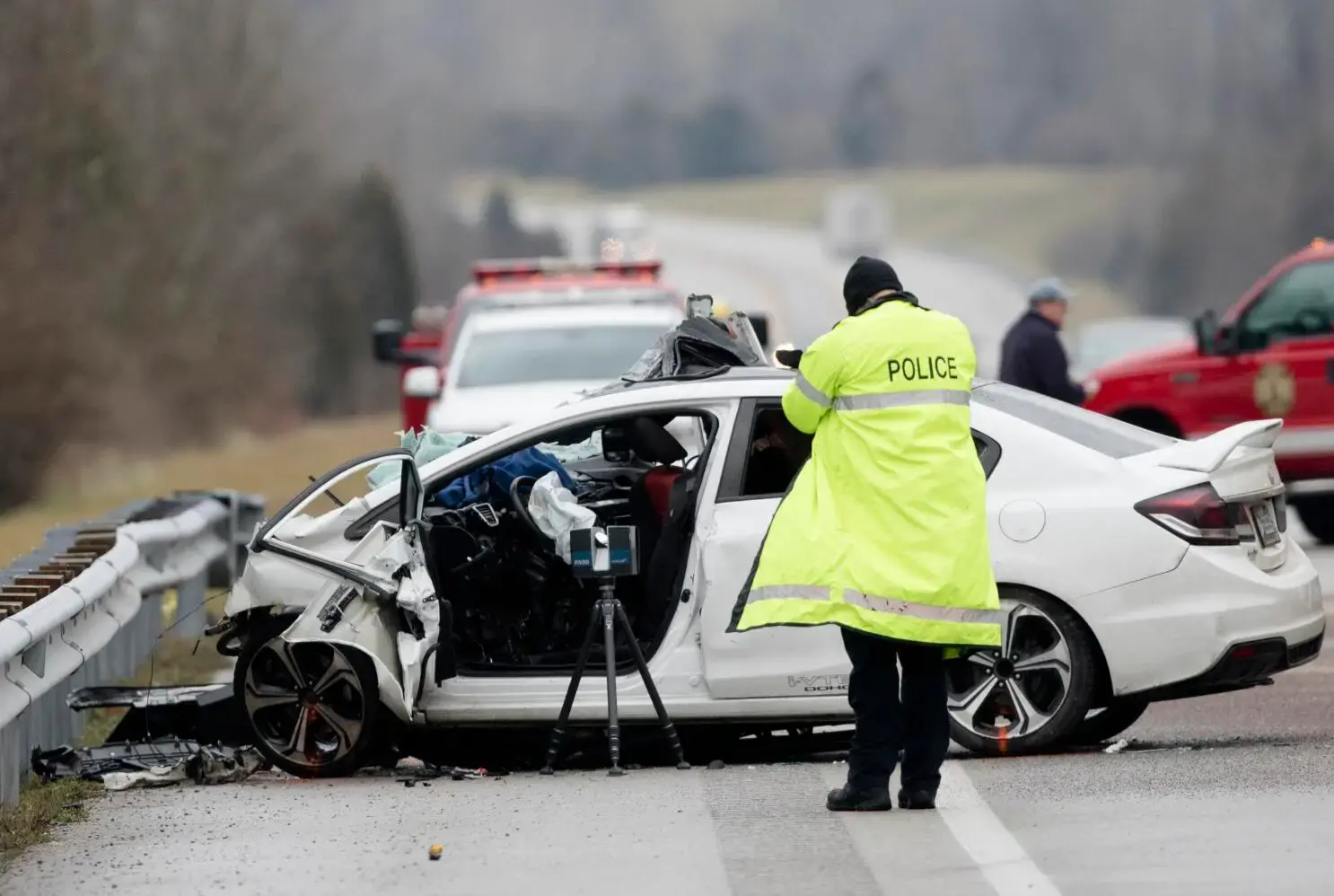
Physical evidence can clarify what people later dispute. Photos may show vehicle resting positions, broken glass, debris paths, skid marks, lane markings, and traffic signals. Weather, lighting, construction, and sight lines also matter. Nearby stores, homes, or dash cameras may hold brief but important footage. Fast preservation is critical because many systems overwrite recordings quickly.
Witness Strength
A neutral witness can give a case the needed weight. Strong testimony explains where the person stood, what was visible, and what occurred before impact. Vague accounts may create confusion. Better statements describe speed, lane movement, signal use, braking, and driver behavior. Consistency across separate accounts helps jurors trust the sequence of events.
Medical Documentation
Treatment records should do more than list appointments. They need symptoms, diagnoses, examination findings, restrictions, imaging results, referrals, and recovery projections. Missed care can invite arguments that symptoms resolved or came from another source. Therapy notes and specialist opinions help explain limited movement, nerve irritation, headaches, sleep loss, or reduced capacity at work and home.
Damages Calculation
Damages should be organized and documented. Medical bills, rehabilitation costs, prescriptions, lost income, diminished earning ability, and vehicle repairs form the economic record. Pain, anxiety, loss of mobility, sleep disruption, and reduced family participation reflect human harm. Severe injuries may require future surgery, home support, or life care planning. Clear numbers make valuation more credible.
Comparative Fault
Defense teams often argue shared blame. They may claim the injured person sped, failed to brake, ignored traffic, or missed an available escape path. A strong case anticipates those claims. Phone records, reconstruction analysis, photographs, and witness testimony can limit unsupported blame. In many jurisdictions, assigned fault may reduce the final recovery.
Expert Support
Experts help translate technical evidence into plain language. Reconstruction specialists can analyze speed, braking, sight distance, and impact angles. Physicians may explain how trauma caused disc injury, concussion symptoms, fractures, or chronic joint pain. Economists can measure lost earning capacity. Useful opinions rely on records, accepted methods, and direct reasoning.
Insurance Conduct
Court strength often develops before trial begins. Claim correspondence, repair estimates, medical reviews, and settlement offers can reveal disputes over fault or value. Injured people should avoid guessing during recorded conversations. Casual remarks may later be framed against them. Organized communication keeps attention on evidence, responsibility, treatment needs, and financial loss.
Trial Presentation
A persuasive courtroom presentation is direct and chronological. Jurors should understand duty, breach, causation, and damages without filling gaps themselves. Exhibits can show crash movement, injury anatomy, bills, and work restrictions. The strongest cases avoid exaggeration. Records, testimony, and expert opinions should work together to show how one unsafe choice caused lasting harm.
Conclusion
A strong claim against a negligent driver depends on connection, not volume. Each piece of proof should support the next, from unsafe conduct to impact, injury, treatment, and loss. Prompt evidence collection, consistent care, reliable witnesses, and careful damage calculations all matter. When the record is organized and medically grounded, the claim becomes clearer, harder to dismiss, and more persuasive in court.