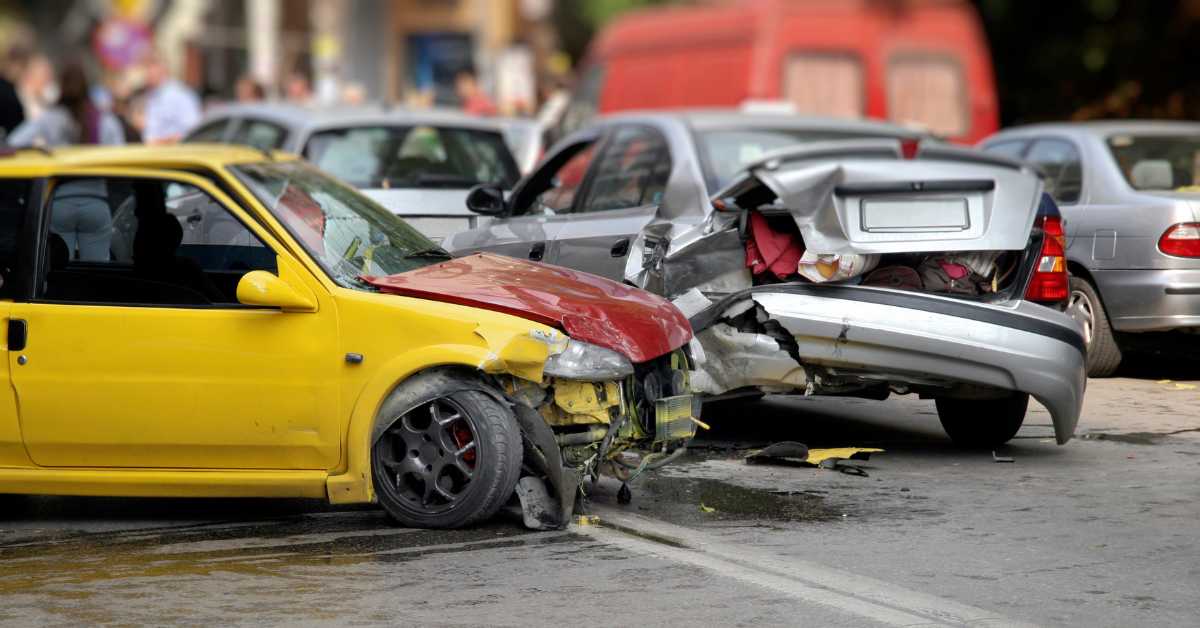
Georgia’s roads carry a mix of daily commuters, tourists, freight trucks, and families moving between Atlanta, coastal communities, mountain towns, and rural highways. When several vehicles collide in one sudden crash, the confusion can feel overwhelming for anyone left with pain, missed work, a damaged car, and calls from insurance adjusters. The question behind “who is at fault” is rarely answered by a glance at the scene.
In Georgia, responsibility may rely on how the danger began, whether each driver had a fair chance to avoid it, and whether outside factors made the wreck worse. A chain reaction may begin with one careless choice, but subsequent decisions can deepen the harm and alter the legal landscape. That is why injured people often need a careful, fact-driven review before accepting blame or a low settlement. Van Sant Law helps crash victims look beyond assumptions and understand where liability may truly fall as the claim moves forward.
Early Review
Early evidence often determines whether a pileup is read as a single chain reaction or as several separate acts of carelessness. Skid marks, camera footage, phone data, and crush patterns can reveal timing that witnesses miss, which is why injured people sometimes ask lawyers to review the record before insurers settle on a neat theory that leaves out key facts or shifts blame onto the wrong driver.
Start With Sequence
Investigators usually begin with a sequence. They identify the first contact, then place each later strike in order. That timeline matters because the opening mistake may have created the danger for everyone behind it. Still, a later motorist does not get a free pass. If clear sightlines, safe spacing, or sufficient reaction time existed, additional collisions may carry a separate fault.
Rear Drivers Often Face Pressure
Rear-end impacts often draw early blame because drivers must keep enough distance for slowing traffic, wet pavement, or limited visibility. Tailgating, late braking, distraction, or excess speed can support that claim. Yet the pattern is not automatic. A lead vehicle that reverses, stops for no reason, or travels without working lights can change the outcome and reduce pressure on the following car.
Shared Blame Is Common
Many pileups involve shared fault rather than a single careless act. One driver may brake hard after missing a turn, another may follow too closely, and a third may look down at a screen. Each choice can add to the damage. Insurance carriers often assign percentages of blame, and courts may do the same, depending on state law and the proof.
State Rules Change Results
Liability rules vary by state, and those rules can change the value of the same crash. In many places, compensation gets reduced by the injured person’s share of fault. A smaller group of states uses stricter standards that can block recovery after even limited blame. Jury instructions, statutes, and earlier court opinions all affect how fault is measured and what damages remain available.
Trucks Raise Extra Issues
Commercial trucks provide additional layers of evidence. Large rigs require longer stopping distances, and brake wear or poor maintenance can worsen a chain reaction. Driver logs, onboard data, dispatch messages, inspection reports, and cargo records may show fatigue, pressure, or mechanical trouble. If a carrier ignores safety duties, legal responsibility can extend past the person holding the steering wheel.
Roads and Weather Matter
Weather and road conditions often shape these crashes. Fog, ice, standing water, smoke, glare, and weak lane markings can reduce reaction time and limit safe braking. Federal traffic data has long shown a meaningful connection between weather and roadway collisions. Poor conditions do not erase the driver’s duty, though. Careful motorists are still expected to slow down, leave more room, and adjust to what they can see.
Evidence Decides Leverage
Strong claims usually depend on fast evidence collection. Beneficial evidence may include crash reports, body camera footage, event data recorders, witness statements, repair records, and medical files. Photos should capture the spread of debris, final vehicle positions, lane markings, and visible damage. Delay can erase details due to weather, towing, or repairs, giving insurers room to argue that a later hit caused the most serious harm.
Insurance Often Fights Causation
Pileups often produce a hard fight over causation. One insurer may blame an earlier impact, while another points to a later strike. Vehicle damage patterns, treatment timing, imaging, and expert review can help separate one injury from another. Settlement talks usually improve once the parties can connect each physical complaint, expense, and repair item to a clear point in the sequence.
Liability Can Reach Beyond Drivers
Some claims reach beyond the drivers in the line of traffic. A manufacturer may face exposure if brakes failed or airbags did not deploy properly. An employer, bar, or public agency may also enter the case under limited facts. Those paths require solid proof, but they matter because added coverage can affect whether medical care, lost income, and future needs are fully paid.
Conclusion
Fault in a multi-vehicle pileup is rarely decided by guesswork or the loudest account at the scene. Liability grows from sequence, driving conduct, road conditions, vehicle performance, and the quality of the evidence gathered soon after the crash. One person may bear most of the blame, or several parties may share it in measured portions. A careful investigation links each impact to each injury and gives the claim a fair footing.