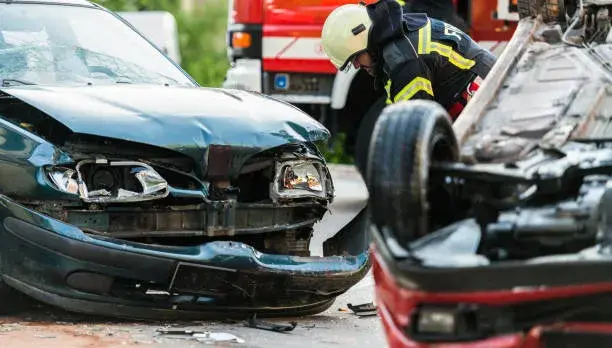
A crash becomes far more stressful when the other motorist speeds away. The injured person still may recover payment, yet the claim usually changes course right away. Instead of dealing with one known insurer, the file often depends on police records, witness accounts, video footage, and policy language. Nevada drivers face legal duties after a collision, and a person who breaks them can still leave behind enough evidence to support a strong case.
The Claim Starts With Proof
Early documentation often shapes the entire file after a fleeing driver’s wreck. Many injured people ask a Laughlin car accident lawyer at H&P Law to review crash reports, scene photographs, nearby camera footage, repair estimates, and insurer notices before key details fade. That review can matter because a missing motorist leaves open questions. Carriers usually examine timing, impact points, and whether the records support a true hit-and-run event.
Fault Still Has To Be Shown
Leaving the scene suggests blame, yet proof of liability still matters. Adjusters usually ask how the collision happened, where each vehicle traveled, and what physical evidence supports that sequence. Paint transfer, broken parts, road marks, and witness statements can help build a reliable account. If police later identify the motorist, the matter may return to a standard third-party claim against that person’s liability policy.
Nevada Reporting Rules Matter
Nevada law requires drivers to stop after injury crashes, fatal incidents, and attended property-damage collisions. They must share identifying details and give reasonable aid when needed. Police reports often become central in these cases because they capture timing, location, damage, and witness names. Quick reporting also helps preserve credibility. Delay can create avoidable doubt if visible proof changes before officers or insurers review the scene.
Insurance May Shift Inward
If the at-fault motorist remains unknown, the injured person often turns first to personal coverage. Uninsured motorist benefits may apply because a fleeing driver is often treated as uninsured under policy terms. Collision coverage may pay for repairs, subject to deductibles. Medical payments coverage can sometimes help with early bills. Each contract carries notice duties, exclusions, and proof requirements, so exact wording can affect recovery.
Evidence Often Decides Value
Strong evidence can make the difference between a disputed file and a fair resolution. Traffic cameras, store surveillance, and phone images may show a plate number, vehicle model, or travel direction. Witnesses sometimes remember a company decal, cracked headlamp, or unusual paint color. Repair records may also confirm impact angle and force. Good documentation supports faults while limiting claims of fabrication, exaggeration, or shared responsibility.
Injury Records Shape the Demand
Medical records often carry the greatest weight when insurers examine damages. Emergency notes, imaging studies, therapy logs, prescription histories, and wage records help connect the crash to measurable harm. Gaps in treatment may weaken the claim because carriers often argue that silence suggests improvement. Clear dates matter. If pain disrupts sleep, mobility, or household tasks, timely provider notes usually persuade far more than later recollection.
A Missing Driver Can Still Be Found
Some fleeing motorists are identified days or weeks later through surveillance footage, witness tips, paint transfer, or repair shop leads. Once located, that person may face civil exposure and criminal charges, though those proceedings are separate. Recovery may then come from the driver’s insurer, personal assets, or both. Even then, policy limits may fall short, which can leave underinsured motorist coverage relevant to the outcome.
Delay Can Damage the Case
Time affects almost every part of this process. Video files may be erased within days, and witness memory can lose precision quickly. Repairs may also remove valuable physical proof if photographs were not taken first. Insurance contracts can impose prompt-notice duties that catch families off guard. Fast action does not guarantee payment, yet delays often give carriers more room to question facts, injuries, or coverage.
Settlement Depends on Coverage and Facts
Claim value usually turns on two practical issues: available coverage and proof strength. A serious injury may still lead to a limited recovery if only modest uninsured motorist benefits exist. On the other hand, a lower-speed collision can settle well when records are clear, and treatment remains consistent. Payment often reflects liability evidence, policy language, medical support, wage loss, repair costs, and the ability to collect.
Conclusion
When the other driver flees, the claim does not disappear. It becomes a race to preserve evidence, secure medical documentation, and identify every possible source of coverage. An injured person in Nevada may still recover damages whether the motorist remains unknown or is found later. Strong files usually share the same traits: prompt reporting, careful records, steady treatment, and a clear account showing how the collision occurred.